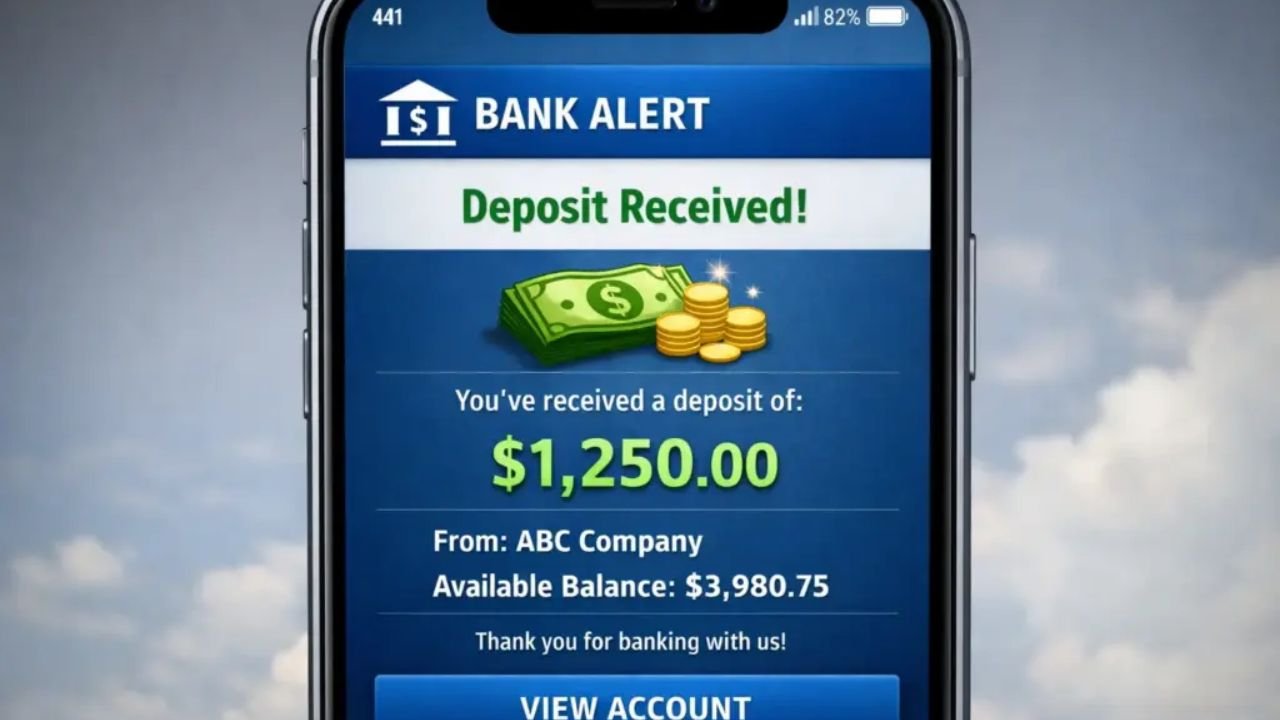
Reports of $2,000 federal deposits starting in February 2026 have sparked widespread interest among Social Security recipients, veterans, and other federal beneficiaries. Many households are asking the same questions: Who qualifies? When will payments arrive? What should I do now?
While large federal payments can provide meaningful financial relief, they usually follow strict eligibility checks and phased distribution schedules. Understanding how the process works can help you avoid unnecessary delays and confusion.

Here’s a clear, simplified guide to what you need to know.
Who May Qualify for the $2,000 Federal Deposit?
Eligibility is expected to depend on income limits, tax filing history, and enrollment in federal benefit programs.
Key Factors That May Determine Eligibility
- Most recent federal tax return data
- Household income thresholds
- Filing status and dependent claims
- Active benefit enrollment
- Updated personal and banking records
Agencies often cross-check records before approving payments.
Federal Programs Likely Reviewed

Beneficiaries under programs managed by:
- Social Security Administration
- Department of Veterans Affairs
may be evaluated automatically if they meet income and documentation requirements.
However, not every beneficiary will automatically qualify. Income phase-outs may reduce or eliminate eligibility for higher earners.
February 2026 Payment Timeline

Federal payments are typically issued in phases rather than on one single date.
Expected Rollout Schedule
- Early February 2026 – First round of direct deposits
- Mid-February – Additional approved payments processed
- Late February – Remaining electronic transfers
- March 2026 – Paper checks and prepaid debit cards mailed
Recipients already enrolled in direct deposit usually receive funds first.
If you receive benefits from multiple programs, payments may arrive on different dates since agencies operate on separate systems.
Why Payments May Be Delayed
Most payment delays are not due to eligibility issues. They are often caused by outdated or incorrect information.
Common Reasons for Delays
- Closed or incorrect bank accounts
- Outdated mailing address
- Missing tax filings
- Identity verification checks
- Changes in marital or dependent status
If a bank rejects a deposit, the agency may reissue the payment via check, which can add extra processing time.
Steps to Take Before February 2026
Taking action now can reduce the risk of delays.
Preparation Checklist
- Confirm your direct deposit details
- Update mailing address if you’ve moved
- Ensure recent tax returns are filed
- Log into official agency portals to verify benefit status
- Avoid responding to unofficial messages or social media claims
Early verification can prevent weeks of waiting.
Fraud Alert: Protect Your Information
Large federal payment programs often attract scams.
Keep these safety tips in mind:
- Government agencies do not charge fees to release payments
- They will not ask for passwords or sensitive data by phone
- Use only official websites for verification
- Report suspicious calls or emails immediately
Staying cautious protects both your funds and personal data.
Quick Overview Table
| Category | Key Details |
|---|---|
| Payment Amount | $2,000 (one-time deposit) |
| Start Date | February 2026 (phased rollout) |
| Who May Qualify | Low-to-moderate income + eligible beneficiaries |
| Fastest Payment Method | Direct deposit |
| Main Delay Cause | Outdated bank details |
Why This Deposit Matters
For many retirees, veterans, and fixed-income households, a $2,000 federal deposit could help cover:
- Housing costs
- Utility bills
- Healthcare expenses
- Emergency savings
- Debt repayment
However, it’s important not to rely on the payment until official confirmation is received.
Frequently Asked Questions (FAQs)
1. Is the $2,000 payment automatic for everyone?
No. Eligibility depends on income limits and benefit records.
2. When will deposits begin?
Electronic payments are expected to begin in early February 2026.
3. What if my bank account has changed?
Update your direct deposit information through official agency portals immediately.
4. Will paper checks take longer?
Yes. Mailed payments typically arrive after electronic deposits are completed.
5. What should I do if I don’t receive the deposit?
Check your payment status through the appropriate federal agency portal and confirm your records.
Final Thoughts: Verify Early, Avoid Delays
The February 2026 $2,000 federal deposit could provide helpful financial support for qualifying households. But smooth processing depends largely on accurate records and timely verification.
Review your tax filings, confirm banking details, and rely only on official government updates. Taking a few proactive steps now can help ensure that if you qualify, your payment arrives without unnecessary delays.