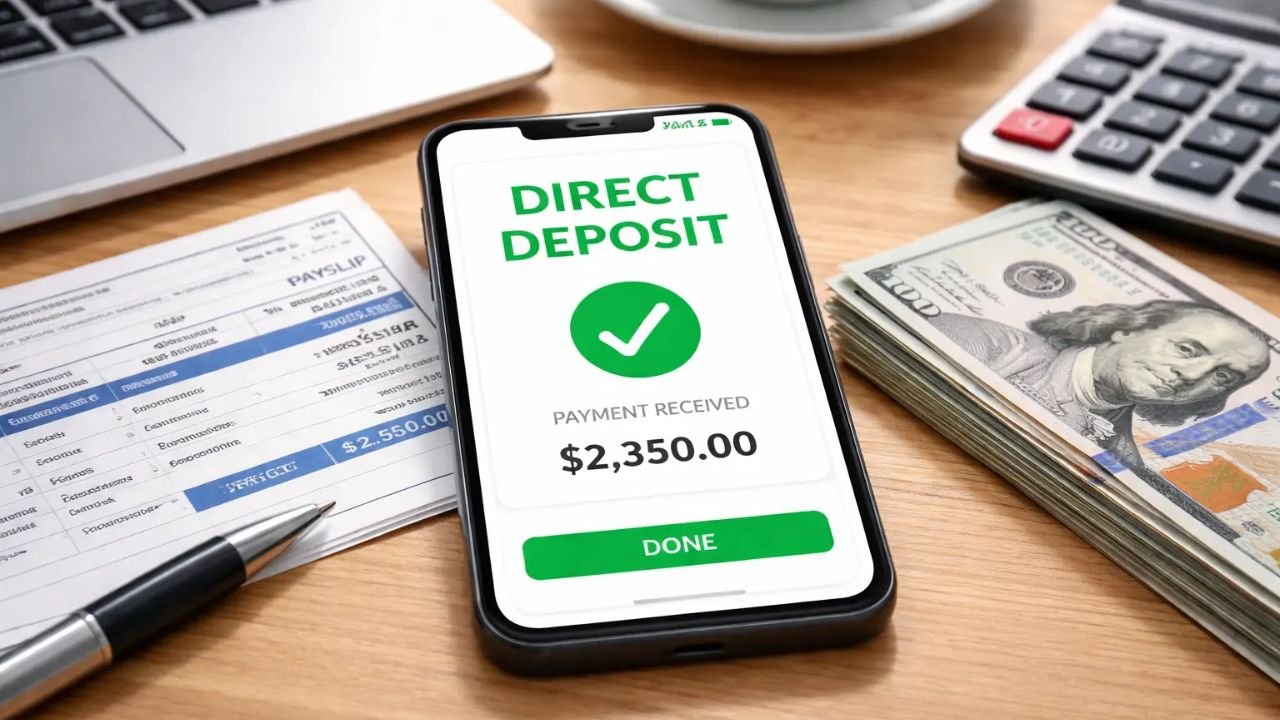
In 2026, financial relief programs continue to play a vital role in supporting households navigating rising living costs and economic uncertainty. One of the most discussed updates is the approved $2,000 federal direct deposit initiative. For eligible individuals and families, this payment could provide meaningful short-term stability and breathing room.
This guide breaks down who may qualify, how the payment schedule works, and the practical steps you should take to ensure timely receipt of funds.
Who Is Eligible for the $2,000 Federal Direct Deposit?

Eligibility depends on the federal agency administering the program and the legal framework behind the funding. While specific criteria vary, most federal direct deposit relief programs typically focus on:
- Low- and moderate-income households
- Seniors receiving federal retirement benefits
- Veterans
- Individuals already enrolled in federal assistance programs
- Taxpayers who meet defined income thresholds
Some recipients may qualify automatically, particularly those already receiving federal benefits via direct deposit. Others may need to complete an application or verify updated financial information.
Because federal programs are structured with strict compliance standards, qualification is determined by official guidelines—not assumptions or informal announcements. Always rely on verified federal agency portals for confirmation.
Common Eligibility Requirements

Although exact conditions vary, most federal payment programs include the following criteria:
Citizenship or Lawful Residency
Applicants must meet legal residency requirements as defined by the administering agency.
Income Thresholds
Programs targeting economic relief often apply income caps or means-testing to ensure funds reach those most in need.
Enrollment in Federal Benefit Programs

Existing beneficiaries—such as those receiving Social Security, disability, or veterans’ benefits—may qualify automatically.
Valid Banking Information
Direct deposit requires accurate routing and account numbers on file. Incorrect details are one of the most common causes of delayed payments.
How to Confirm Your Eligibility
To determine your status:
- Visit the official federal agency website managing the program.
- Access the secure portal or eligibility checker.
- Log in using verified credentials.
- Review your payment status and required next steps.
If an application is necessary, submit it promptly and retain all confirmation numbers, receipts, and documentation.
Timely action is critical. Federal programs typically operate within defined enrollment windows, and late submissions may delay payment waves.
Documents You May Need
While requirements vary, applicants are commonly asked to provide:
- Social Security Number or Taxpayer Identification Number
- Government-issued identification (driver’s license or passport)
- Proof of income (recent pay stubs or benefit statements)
- Direct deposit banking details
Having these documents ready in advance can significantly speed up verification and approval.
Understanding the $2,000 Payment Schedule
Federal disbursements rarely occur in a single batch. Instead, agencies typically release payments in structured waves.
Typical Payment Timeline
1. Announcement and Enrollment Phase (1–4 Weeks)
The agency outlines eligibility rules and opens applications if required.
2. Verification and Processing Phase (2–8 Weeks)
Applications are reviewed, banking information is confirmed, and compliance checks are completed.
3. Staggered Direct Deposit Waves
Payments are issued in phases, often prioritized by:
- Existing benefit recipients
- Application submission date
- Account verification completion
- Geographic or administrative grouping
Most deposits are issued on business days. If a scheduled payment date falls on a weekend or federal holiday, funds typically post on the next business day.
How to Prepare for the $2,000 Federal Direct Deposit
Preparation reduces the risk of delays. Even if you qualify automatically, confirming your information ensures smooth processing.
Verify Banking Details
Log into your federal benefits portal and confirm:
- Account number
- Routing number
- Account type (checking or savings)
Never share financial information through email or social media channels. Use only secure government portals.
Update Contact Information
Ensure your mailing address, email, and phone number are current. Agencies may send notifications about:
- Additional verification requests
- Processing updates
- Payment confirmations
Missing these notices can delay disbursement.
Steps to Ensure Timely Payment
Follow this streamlined checklist:
- Confirm eligibility through official channels
- Complete any required application promptly
- Verify direct deposit information
- Keep digital and printed confirmation receipts
- Monitor your account during the published payment window
Proactive organization can prevent unnecessary stress during large-scale federal disbursements.
What If You Don’t Receive the Deposit?
If your payment does not arrive as expected:
Step 1: Check the Official Payment Calendar
Confirm your assigned wave and processing status.
Step 2: Review Your Enrollment Status
Log into the program portal to verify approval and banking details.
Step 3: Contact the Agency
If the payment window has passed, reach out to the issuing agency’s official support line. Have your confirmation number ready.
Step 4: Contact Your Bank
Occasionally, deposits are pending internally before appearing in your available balance.
Common Reasons for Delayed Payments
Understanding potential issues can help you resolve them quickly:
- Outdated or incorrect bank account information
- Missing documentation
- Pending identity verification
- Administrative processing backlogs
- High application volume
In most cases, delays are procedural rather than eligibility-related.
A Practical Example
Consider a single parent who already receives federal benefits via direct deposit. After reviewing the program announcement, she logs into her benefits portal and confirms her banking information two weeks before the published payment window.
Her deposit arrives during the second wave. Because she kept screenshots of her confirmation page, she was able to quickly verify her status when checking with the agency’s support team.
Preparation and documentation made the process efficient and stress-free.
Financial Planning Considerations
If you are expecting the $2,000 direct deposit, consider allocating it strategically. Short-term financial optimization may include:
- Building or strengthening an emergency fund
- Paying down high-interest debt
- Covering essential living expenses
- Investing in skills development or certifications
Using relief funds intentionally can extend their impact beyond immediate expenses.
Final Checklist Before Payment Window
Before the scheduled deposit period begins, confirm the following:
- Eligibility verified
- Application submitted (if required)
- Banking information accurate
- Contact details updated
- Confirmation receipts saved
Large-scale federal disbursement programs operate efficiently when recipients actively manage their information.
By staying organized, using official resources, and monitoring published timelines, you significantly increase your chances of receiving the $2,000 federal direct deposit smoothly and on schedule in 2026.