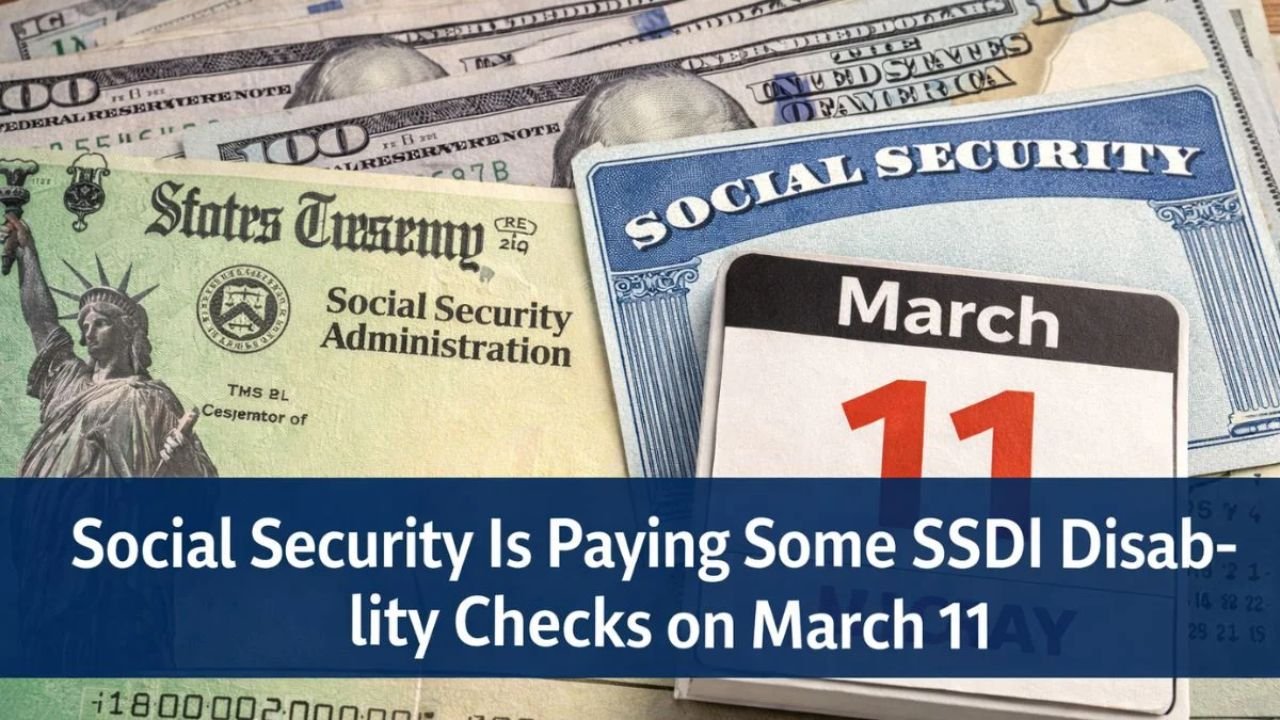
For millions of Americans, Social Security Disability Insurance (SSDI) is more than a monthly benefit—it is a lifeline. Covering essential expenses such as rent, groceries, and medical bills, SSDI provides stability for individuals who are unable to work due to qualifying disabilities. This March, some beneficiaries will receive their SSDI payments on March 11, 2026, a date that carries significance for planning household finances and managing day-to-day expenses.
Understanding SSDI and Its Importance
SSDI is a federal program designed to support workers who become disabled and cannot continue employment. Unlike needs-based programs, SSDI is earned through prior work contributions, funded by payroll taxes. Beneficiaries receive payments based on their lifetime earnings, ensuring that SSDI functions as an insurance program rather than welfare.

For many recipients, SSDI represents the primary or sole source of income. Beyond income replacement, SSDI provides a foundation for stability, helping beneficiaries navigate the financial and emotional challenges that accompany disability.
How the Social Security Administration Schedules Payments
The Social Security Administration (SSA) manages SSDI payments, eligibility determinations, and payment schedules. To streamline operations and avoid congestion in banking systems, SSA uses a staggered payment schedule, rather than issuing all benefits on the same day. This approach ensures predictability and minimizes delays for recipients.
Why March 11 Matters
March 11, 2026, falls on the second Wednesday of the month, a key date in the SSDI payment calendar. SSDI recipients who began receiving benefits after May 1997 are paid based on their birth date. Specifically, individuals born between the 1st and 10th of the month are scheduled to receive payments on the second Wednesday.

This system allows beneficiaries to anticipate their payments, facilitating better budgeting and financial planning.
Who Will Receive SSDI Payments on March 11
Not every SSDI recipient will see a deposit on March 11. The date applies primarily to:
- Recipients with birthdays between the 1st and 10th of the month
- Individuals receiving SSDI rather than Supplemental Security Income (SSI)
- Beneficiaries who began SSDI after May 1997
Recipients who started benefits earlier or who also receive SSI follow different schedules, so understanding your category is critical for accurate planning.
How SSDI Payment Amounts Are Determined

SSDI benefits are calculated based on work history and earnings record. SSA uses a formula that considers a recipient’s highest-earning years, adjusted for inflation, ensuring payments reflect contributions.
This means SSDI amounts can vary widely, with some recipients receiving modest sums and others higher payments based on longer or more lucrative work histories. Annual cost-of-living adjustments (COLA) help maintain purchasing power in the face of rising costs.
Payment Methods: Direct Deposit vs. Paper Checks
Most SSDI recipients receive funds via direct deposit, offering fast and secure access to payments on the scheduled date. For recipients without bank accounts, the Direct Express debit card provides an alternative, enabling electronic withdrawals and purchases.
What to Do if Your Payment Is Delayed
While payments are generally reliable, occasional delays can occur due to:
- Federal holidays
- Banking system issues
- Incorrect account or address information
If a payment does not arrive on March 11, beneficiaries should wait at least three business days before contacting SSA, as most delays resolve quickly.
SSDI vs. SSI: Key Differences
It is important to differentiate between SSDI and SSI:
- SSDI is based on work history and contributions to Social Security
- SSI is a needs-based program for individuals with limited income and resources
Additionally, SSI payments are typically issued at the beginning of the month, while SSDI follows a birth-date-based schedule.
Financial Planning for SSDI Recipients
SSDI payments are often budgeted to cover critical living expenses. Beneficiaries receiving funds on March 11 may use the money for:
- Rent or mortgage payments
- Utility bills and groceries
- Medical and prescription costs
The predictability of SSDI payments allows for effective household planning, reducing stress and ensuring essential obligations are met.
Building Stability Beyond Monthly Payments
SSDI also offers long-term security through Medicare eligibility after a waiting period, providing healthcare coverage alongside income. In addition, SSA programs allow beneficiaries to test limited work activities without losing benefits, supporting independence while maintaining a safety net.
Common Misconceptions About SSDI
Some misunderstandings include:
- Assuming all Social Security payments are issued on the same day
- Confusing SSDI amounts with retirement benefits
- Believing SSDI is temporary—while some beneficiaries return to work, many rely on SSDI long-term due to permanent or progressive disabilities
Keeping personal information, bank accounts, and addresses current with SSA helps prevent payment disruptions.
Broader Impact of SSDI Payments
SSDI payments not only support individual recipients but also stimulate local economies. Beneficiaries spend on housing, transportation, healthcare, and daily necessities, circulating funds through communities nationwide.
Conclusion
The March 11 SSDI payment is a vital financial milestone for many recipients. Understanding the SSA’s structured schedule, knowing eligibility criteria, and preparing for monthly payments allows beneficiaries to manage their finances with confidence. SSDI continues to provide income security, dignity, and stability, helping millions of Americans navigate life with disabilities.
FAQs
Q1. Who receives SSDI payments on March 11?
Individuals born between the 1st and 10th of the month who started SSDI benefits after May 1997.
Q2. What should I do if my payment doesn’t arrive on March 11?
Wait three business days, then contact the Social Security Administration if it is still missing.
Q3. Is SSDI paid on the same day as SSI?
No, SSI payments are usually issued at the beginning of the month, while SSDI follows a birth-date-based schedule.
Q4. How are SSDI payments calculated?
Payments are based on lifetime earnings, highest-earning years, and annual cost-of-living adjustments.
Q5. Can SSDI recipients work while receiving benefits?
Yes, SSA offers work incentives that allow limited employment without immediately affecting benefits.